UAE VisaThe United Arab Emirates (UAE) is one of the most popular destinations in the world for tourism,employment, education, and long-term living. With its modern cities, strong economy, and diverse
culture, the country attracts millions of visitors and residents every year. To enter and stay
in the UAE legally, understanding the UAE visa system is essential.
This guide explains everything you need to know about UAE visas, including how the visa process
works, the different types of visas available, validity rules, extensions, and common questions
applicants often have.
What Is a UAE Visa?
A UAE visa is an official authorization that allows a foreign national to enter, stay, or reside
in the United Arab Emirates for a specific purpose and duration. The visa defines what activities
you are permitted to carry out, such as tourism, work, study, or family residence.
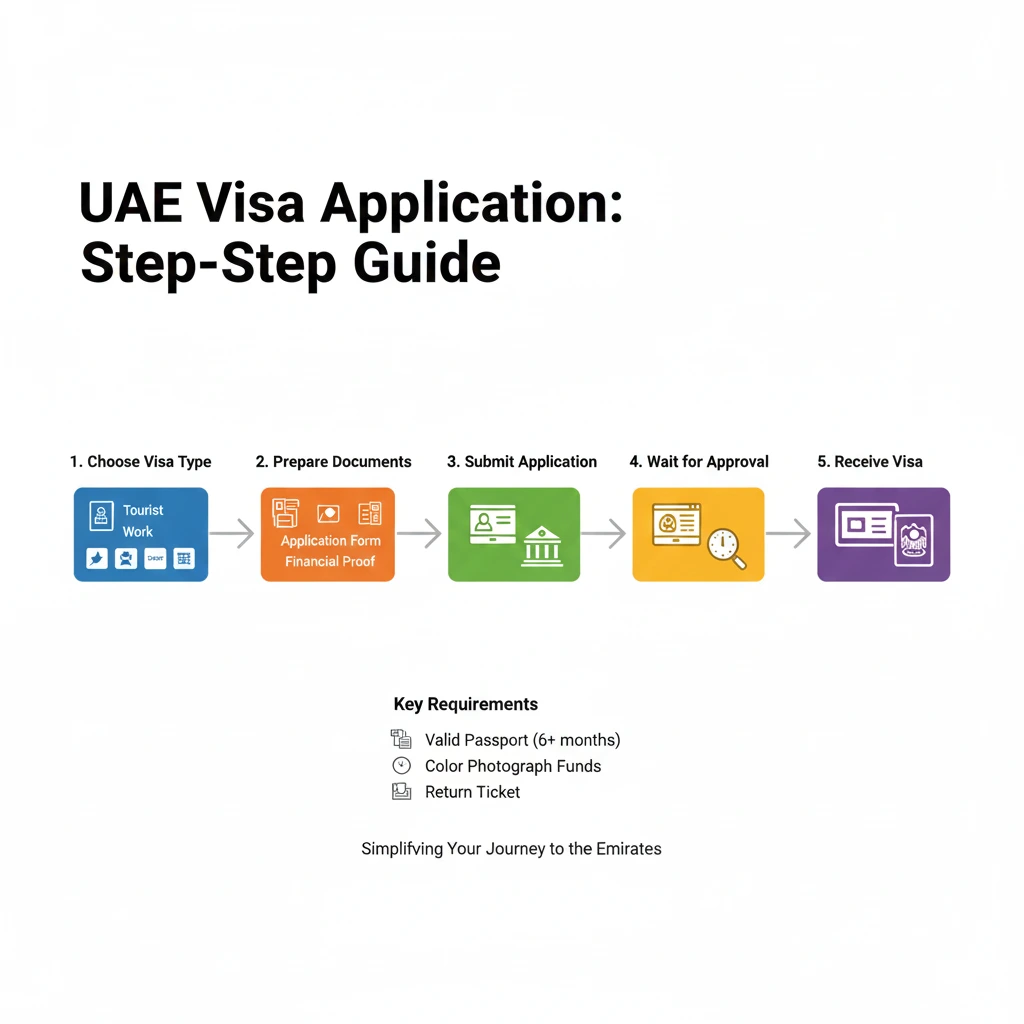
Overview of the UAE Visa Process
The UAE visa process is well-structured and efficient. While requirements may vary depending on
nationality and visa type, the overall process follows a clear framework.
Choosing the Right Visa
Selecting the correct visa type is the most important step. Each visa category is issued for a
specific purpose, and applying under the wrong category can lead to delays or rejection.
Document Preparation
Applicants are required to submit accurate and complete documentation. Common requirements
include a valid passport, photograph, application form, and supporting documents depending on
the visa type.
Submission and Approval
Applications are submitted through authorized channels such as sponsors, travel agencies, or
official portals. Processing times vary but are generally quick compared to many other countries.
A tourist visa is issued for short-term visits such as holidays, sightseeing, or leisure travel.
It allows entry into the UAE for a limited duration and does not permit employment.
Visit Visa
A visit visa is commonly used for visiting family members or friends who are residents of the UAE.
These visas often allow longer stays than tourist visas and may be extended.
Employment Visa
An employment visa allows foreign nationals to work legally in the UAE under a registered employer.
This visa is linked to a job offer and employer sponsorship.
A residence visa permits long-term stay in the UAE. It is typically issued to employees,
self-employed individuals, or family members sponsored by a UAE resident.
Family Visa
A family visa allows UAE residents to sponsor their immediate family members, such as spouses
and children, subject to eligibility conditions.
Student Visa
A student visa is issued to individuals enrolled in recognized educational institutions in the UAE.
It is usually valid for the duration of the academic program.
A business visa is intended for professionals visiting the UAE for meetings, conferences,
or short-term business activities. It does not allow full-time employment.
Transit Visa
A transit visa is issued to travelers passing through the UAE to another destination. It is valid
for a short duration and suitable for brief stopovers.
Visa Validity, Extensions, and Overstay Rules
Each UAE visa has a defined validity period and permitted length of stay. Some visas can be
extended without leaving the country, while others require exit before reapplication.
Overstaying a visa can result in fines, penalties, and possible travel restrictions. It is important
to track visa expiry dates and take timely action.
Common Reasons for UAE Visa Rejection
UAE visa applications may be rejected for several reasons, including incomplete documentation,
incorrect visa selection, mismatched information, or previous immigration violations.
Frequently Asked Questions (FAQs)
1. What is a UAE visa?
A UAE visa is an official permit that allows a foreign national to enter, stay, or reside in
the United Arab Emirates for a specific purpose and duration.
2. What are the main types of UAE visas?
The main types include tourist visas, visit visas, employment visas, residence visas,
family visas, student visas, business visas, and transit visas.
3. How long is a UAE visa valid?
Visa validity depends on the visa category. Short-term visas are issued for limited stays,
while residence and employment visas are valid for longer periods and can be renewed.
4. Can a UAE visa be extended?
Many UAE visas can be extended, subject to eligibility and approval. Extension rules vary
depending on the visa type.
5. Who can sponsor a UAE visa?
Sponsors may include employers, UAE resident family members, educational institutions,
registered companies, or authorized travel agencies.
6. What documents are required for a UAE visa?
Common documents include a valid passport, photograph, application form, and supporting
documents based on the visa type.
7. Can I work in the UAE on a tourist or visit visa?
No, working on a tourist or visit visa is not permitted. Employment requires a valid work
or employment visa.
8. What happens if I overstay my UAE visa?
Overstaying can result in daily fines, penalties, and possible travel restrictions.
9. Can a visit visa be converted into a residence visa?
In many cases, a visit or tourist visa can be converted into a residence visa from within
the UAE, subject to approval.
10. Why do UAE visa applications get rejected?
Rejections may occur due to incorrect information, incomplete documents, choosing the
wrong visa type, or previous immigration issues.
Conclusion
The UAE visa system offers multiple options to suit different travel and residency needs.
Understanding the visa process, choosing the correct visa type, and following the rules
ensures a smooth and hassle-free experience.
Whether you are visiting the UAE for a short stay or planning long-term residence, proper
knowledge and preparation are key to a successful visa application.